



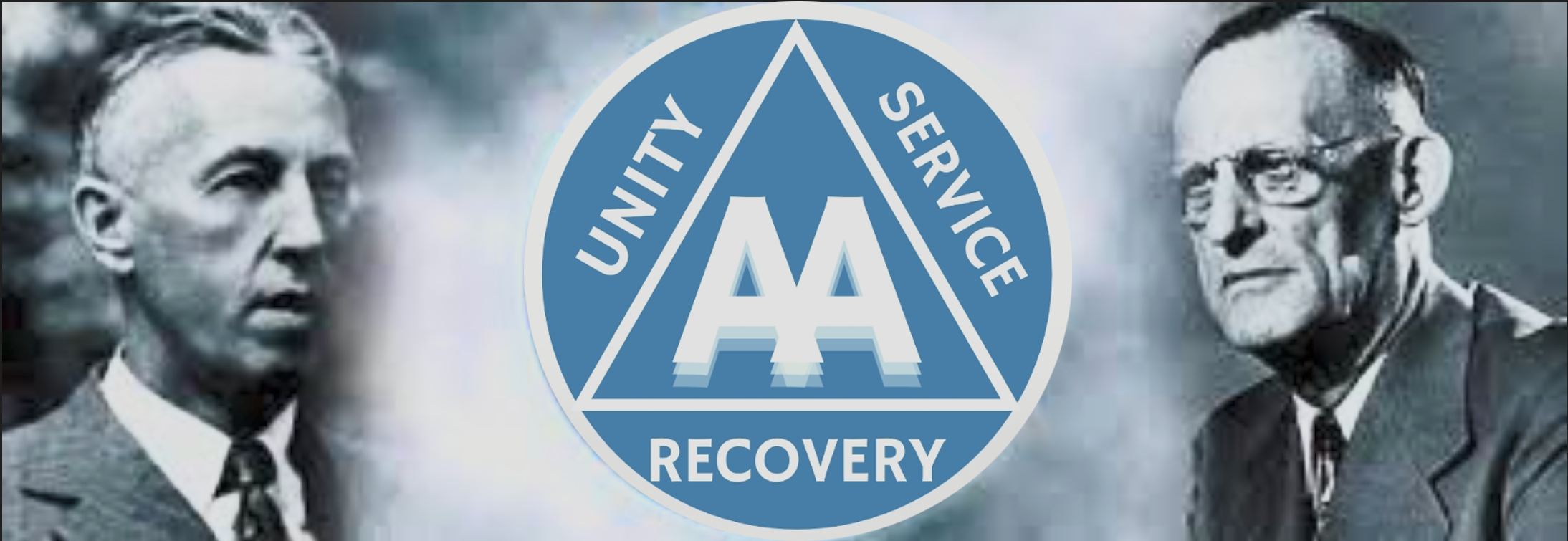
Alcoholics Anonymous: A 90 Year Legacy of Recovery and Hope

This week marks 90 years since the founding of Alcoholics Anonymous (AA). AA has been a cornerstone of addiction recovery offering hope, fellowship, and a structured path to sobriety. Founded on the idea that those struggling with alcoholism could help one another through shared experience, AA has evolved into a global movement. From church basements to virtual meetings, its reach continues to grow, adapting to new generations while staying true to its original mission. On Founders’ Day, we recognize the history, impact, and future of this life-changing organization.
The Founding of Alcoholics Anonymous
Alcoholics Anonymous was founded in 1935 in Akron, Ohio, when Bill Wilson, a stockbroker, and Dr. Robert Smith, a surgeon, met to discuss their struggles with alcoholism. Their conversation led to the realization that mutual support was key to maintaining sobriety. This meeting laid the foundation for AA’s 12-step program, which has since become a cornerstone of addiction recovery worldwide.
Impact on Recovery
AA has transformed the landscape of addiction recovery by providing a structured, peer-supported approach to sobriety. The 12-step program emphasizes personal accountability, spiritual growth, and community support, helping millions of individuals reclaim their lives. The organization’s emphasis on anonymity and inclusivity has made it accessible to people from all walks of life, fostering a global network of support.
The Scale of AA’s Success
Since its founding, AA has grown into an international movement, with over 120,000 groups operating in 180+ countries. Millions of individuals have found lasting sobriety through its meetings, sponsorship system, and literature, including the Big Book, which has sold millions of copies worldwide. AA’s influence extends beyond its own meetings, inspiring countless other recovery programs and shaping modern addiction treatment.
Staying Relevant Through the Decades
AA has remained adaptable despite changing societal attitudes toward addiction. It has embraced online meetings, ensuring accessibility for those unable to attend in person. The organization has also maintained its spiritual foundation while allowing members to interpret the steps in ways that align with their personal beliefs. By focusing on community-driven recovery, AA continues to resonate with new generations.
The Future of Alcoholics Anonymous
Looking ahead, AA is likely to continue to expand its digital presence, making meetings more accessible globally. As addiction science evolves, members may integrate new insights while preserving its core principles. The organization’s commitment to peer support and anonymity ensures it will remain a vital resource for those seeking recovery. With addiction rates fluctuating worldwide, AA’s role in providing hope and healing is more crucial than ever.





4 Comments
AA is a wonderful resource when struggling with alcohol. It helped me and continues to do so as I recently reached my 4 years of sobriety on May 28th. I feel so good and can’t wait to see what my future holds. ❤️🥰
This program saved my life and I have a new purpose.To carry the message to those who are still sufering.Cant believe its been 20 years time just flies by.
I have 35 precious years of sobriety today, thanks to Bill W., Dr. Bob, and Ebby T. I’m eternally grateful!
Where can I find the 12 step program for NA?