

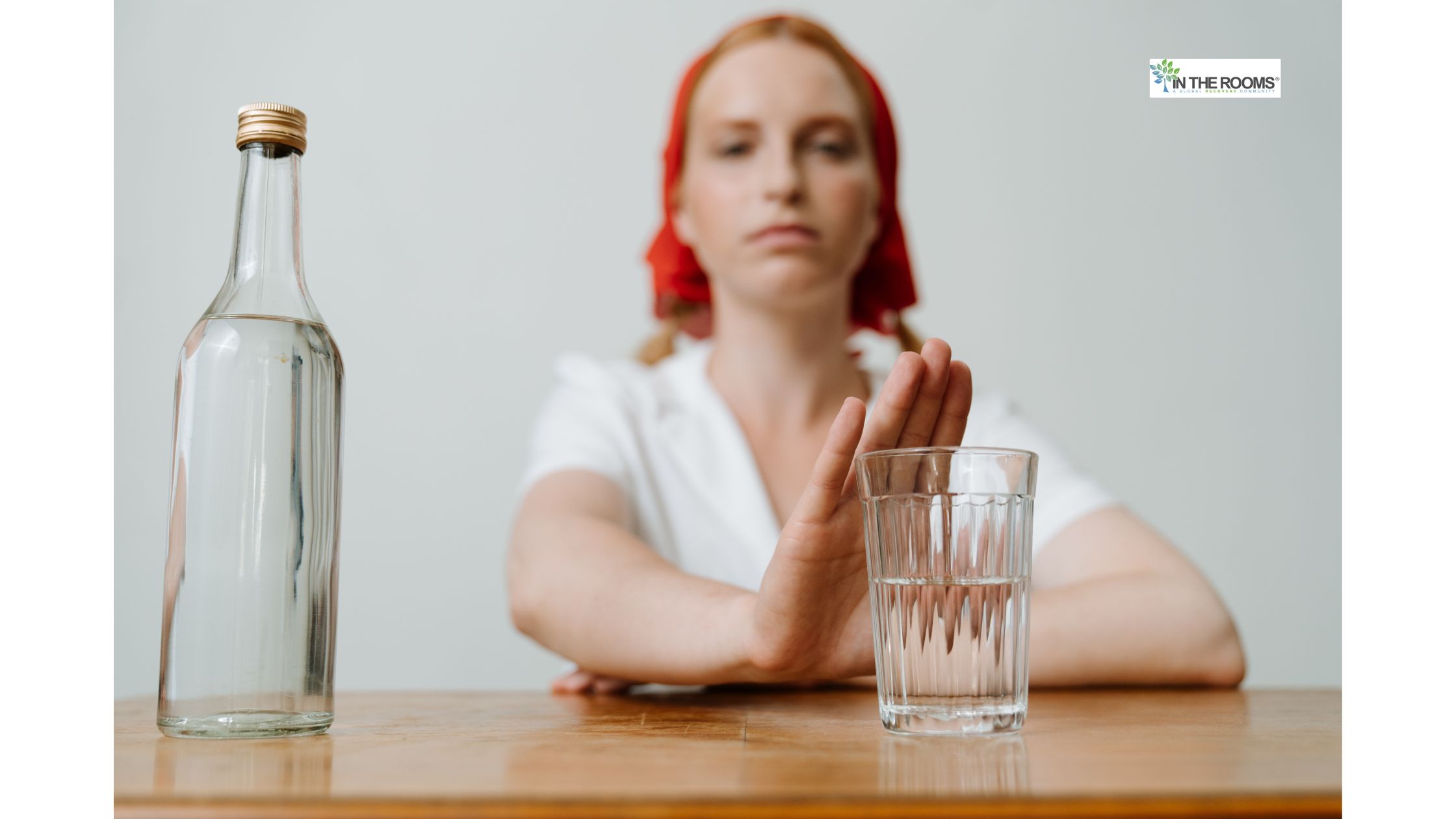
Ten-plus years into sobriety have gifted me so much. And yet there are moments when I miss it. I do not say this much of a truth. Not in meetings, not to my friends, not even to my closest confidantes. It is a silent truth I have taken care of in silence, afraid that the more I name it, the stronger the feeling would become. But honesty really matters, especially in recovery. Sobriety has not washed away my recollections of what alcohol once gave me—a sense of relief.
This piece on rediscovering joy in recovery echoes that duality—how healing can hold space for both light and shadow.
The Heavy Early Years
Never was my childhood meant to be carefree. For so long have I felt like I’ve been carrying something heavier than the rest. Fitting in never came easy for me. I learned at an early stage how to shift, mimic, and adapt—just so they would accept me. But most social interactions felt like I was being tested, never forming a connection. I could never quite catch a glimpse of joy. I was spending most of my energy pretending to feel comfortable while inside, I rarely did.
When you’re young, you’re expected to love parties, dates, and all sorts of crowd stuff. I dreaded all of it. Then came alcohol. With just a little, the knot in my stomach would start to loosen up. I could laugh; I could be mad; I could speak up without even thinking about it. It didn’t feel much like a high. It felt like finally levelling the playing field. Almost like becoming who I wished I could be.
This story about masking and self-acceptance resonates with the struggle of growing up misunderstood and seeking ease in alcohol.
At the Crux
My sobriety started not out of inspiration but consequence. One bad night became a rest stop. I drank too much, passed out at work, and woke up to find a disaster I had caused. That humiliation could have crushed me, but instead, it saved me. I made a promise to change, to make things right, and never again.
That promise brought me into recovery meetings where, finally, I stopped feeling like the odd one out. I began showing up for myself. I repaid my boss. I stayed sober. I kept fixing cars. The shop became my safe space. Machines are the exact opposite of unpredictable people. They made perfect sense.
[This article about finding new purpose in sobriety reminded me that our lowest points can redirect us toward healing and dignity.]
Remains the Longing
So, yes or no: do I still miss drinking? Sometimes. Yes. There are time frames of solitude. The crowd still makes me anxious. I’ve never hit the dating scene since I got sober. I’m content with my quiet life and my dog’s company. There are the rare times when I really miss what alcohol gave me: connection.
More and more, I’m wondering if it’s been a mask for something deeper all these years. The ongoing social awkwardness, the clinging to structure, the draining effort of keeping up the pretences. It started to make me wonder if maybe I’m somewhere on the autistic spectrum. It’s a vulnerable road to travel, but somehow it also feels like it could lead to literally understanding myself in some deeper, more honest way.
I related deeply to this reflection on loneliness in long-term sobriety, the ache for connection doesn’t vanish, but we learn to carry it differently.
Choosing Real Life, Every Day
I put in a lot of effort to create a steady, real life. It’s not flashy, and it’s not all that easy. But it is mine. And I know what I stand to lose should I ever pick up again.
So yes, I’m still sober. And yes, sometimes I miss that buzzed-up version of me who really knew how to blend in. But I don’t miss the chaos or the regret or what it cost me.
Editor’s Note: If you’re looking for more support, inspiration, or stories that speak to your recovery experience, we invite you to explore our Blogs & Articles section. Stay connected with the In The Rooms community on Instagram, Facebook, Pinterest, and twitter for daily encouragement, real voices, and reminders that healing happens one moment at a time.