



For me, recovery has always been about much more than just leaving harmful patterns behind. It’s been about learning to live with purpose, connection, and hope—one day at a time. I’ve found that while routines, treatment options, and healthy habits definitely matter, the most powerful tool I carry is within me: my mind. My thoughts and beliefs can either trap me in old cycles or help me move forward into freedom and wellness.
I know the weight of negative thoughts all too well. Self-doubt, guilt, and fear used to play on repeat in my head, making it so hard to trust myself or believe that change was possible. But over time, I’ve also seen how my mind can be my greatest ally. When I began shifting my inner dialogue toward hope, gratitude, and possibility, recovery felt less overwhelming. I noticed that I connected more easily with peer support, joined online recovery meetings with an open heart, and leaned into the recovery community in a way I hadn’t before.
I’ve also learned that persistence in recovery starts in the mindset. A setback doesn’t mean I’ve failed—it’s simply an opportunity to learn and grow. Whether I’m engaging in virtual support meetings, reading substance abuse recovery articles, or finding encouragement in digital recovery support groups, it’s the resilience of my mind that helps me keep showing up. Practices like journaling, mindfulness, and stress management have strengthened that resilience and helped me stay grounded in the present.
Visualization has been another powerful tool for me. When I picture myself attending online sobriety meetings, sharing honestly in support groups, or leaning on mental health resources, I start to believe in a life I once only dreamed of. My mind plants the seeds, and with the support of others, those seeds have begun to grow.
I also remind myself that recovery resources are never far away. Whether it’s exploring an alcohol recovery online platform, searching a treatment directory, or reading rehab articles and tips, the key is keeping my mind open. Directories and listings make it easier to find treatment centers, but it’s my mindset that gives me the courage to take that first step toward help.
That doesn’t mean my thoughts and mindset are always kind. I still face old fears, painful memories, and cravings. But with time and practice, I’ve trained myself to meet those moments with compassion instead of judgment. Even telling myself something as simple as, “I can do this, one step at a time,” has become an act of courage.
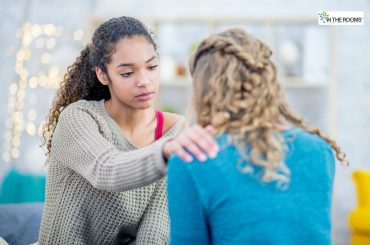
Today, I no longer see my mind as an obstacle to overcome but as a partner in healing. With patience, kindness, and support—both online and offline—I’m learning to build a life rooted in hope, connection, and lasting change.
Editor’s Note: If you’re looking for more support, inspiration, or stories that speak to your recovery experience, we invite you to explore our Blogs & Articles section. Stay connected with the In The Rooms community on Instagram, Facebook, Pinterest, and twitter for daily encouragement, real voices, and reminders that healing happens one moment at a time.