



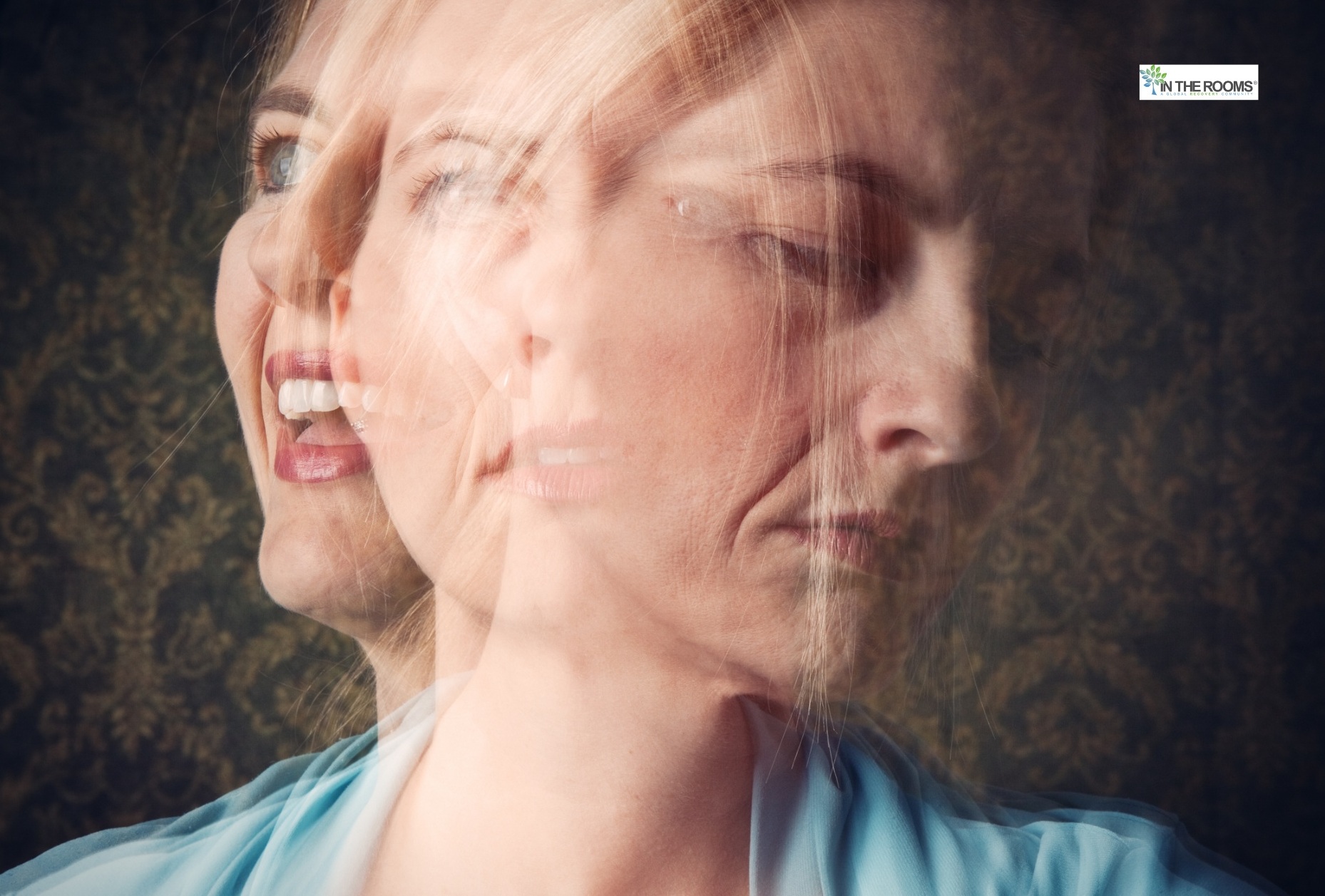

For a prolonged period, I was blind to the fact that alcohol was making me a different person. Initially, it was rather innocuous — a mere way to chill, let go, and be one with others. A glass or two would already make me more self-assured and freed-up. But gradually, there was a kind of a shift. It was not merely that drinking to enjoy was over; it was more like drinking to be myself. To be honest, I couldn’t see how much I was leaving apart from my true self.
Alcohol was gradually and subtly causing a kind of change in my moods and outlook on things. I got to the point where I was no longer in control and I was constantly showing my negative sides. My feeling was that the things I was so passionate about had become ‘nothing’. It was at that time that I noticed I was becoming a different person to others. The secure, loving and stable character in me had started to disappear due to the influence of alcohol.
Alcohol was able to bring my worst side to the surface. It enhanced the very characteristics that I hated in my character—the insecurity, the lack of self-confidence, and the wish to be a different person when socializing with others. I usually convinced myself that it was a means of “opening up” but the truth was that it was turning me into a person who could not communicate genuinely. Thus, the more I consumed alcohol, the greater the disconnection became between me and others, as well as between me and myself.
Post Recovery Clarity
I was able to recognize myself after I got into recovery. The clarity was not instantly achieved by abstaining from alcohol, but the process made it easier for me to see the once familiar person whose features had been blurred by alcohol. The naturalness of my laughter revived and I was able to cope with my feelings with the right mix of reason and emotion. I realized that alcohol did not make me a different person—it only succeeded in hiding the true me.
The following quotes have literally held my hand through the whole process:
“Recovery is not about becoming someone new; it’s about remembering who you were before the world told you who to be.”
“Sobriety doesn’t change who you are—it reveals who you are.”
If you are interested in learning more about the role of emotions in the healing process and how they interact with the transformation of one’s being, we recommend you to check out In The Rooms.
How Online Meetings Support Helped Me
The start and establishment in the online recovery meetings turned into my protected area. They were the place I could go to be sincere, even without words. Moreover, they provided me with the opportunity to list myself from any location, to hear people who could really comprehend, and to be actually understood and not judged.
Gradually, these virtual rooms have changed from an emotional lifeline to a place where I am reminded of my connectedness and the possibility of healing. The support system’s values, kindness, and constant reminders of my commitment in the room were what I actually needed to be able to put up with the addiction and re-establish my self-confidence.
The online support group did not only help my recovery process, they reinstated my hope and blamed me that partnership is a healing process.
Editor’s Note: If you’re looking for more support, inspiration, or stories that speak to your recovery experience, we invite you to explore our Blogs & Articles section. Stay connected with the In The Rooms community on Instagram, Facebook, Pinterest, and twitter for daily encouragement, real voices, and reminders that healing happens one moment at a time.



1 Comment
great article