



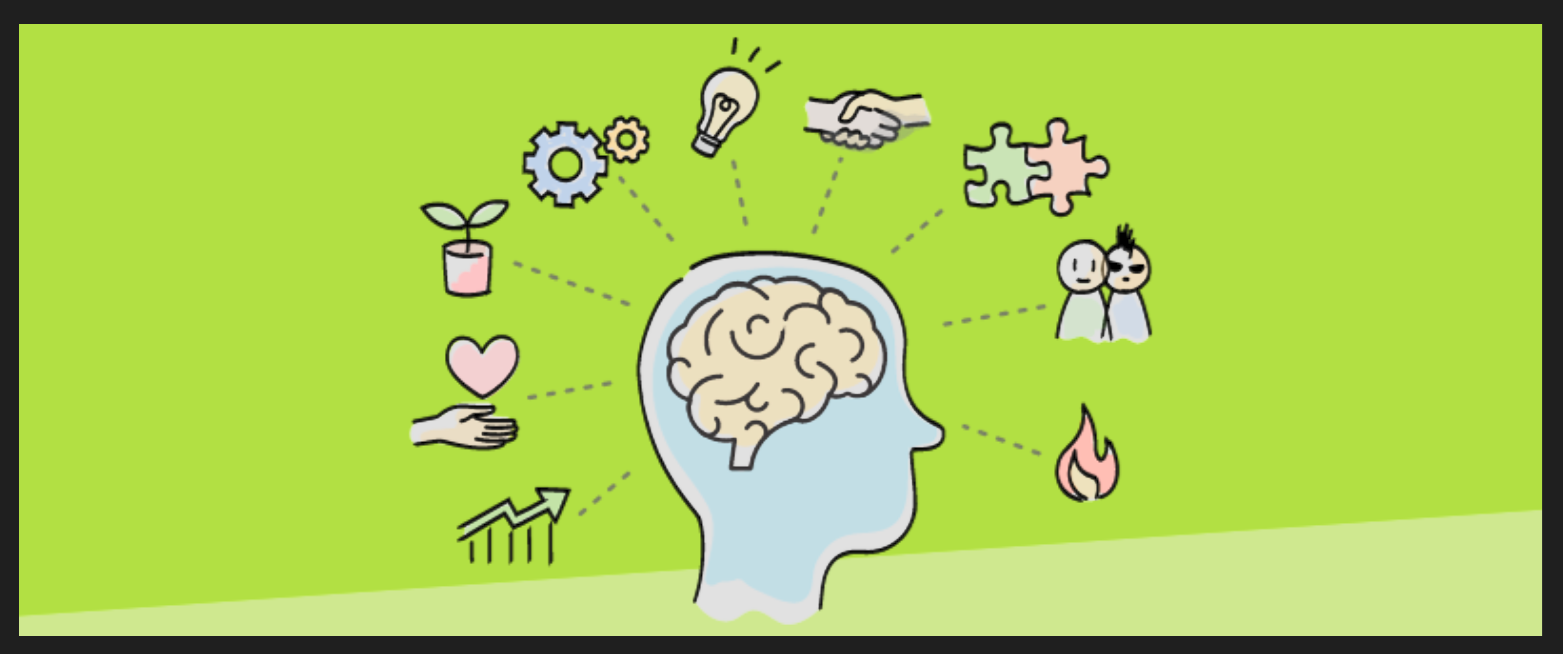
The Quiet Skills That Keep Us Clean and Sober
The invisible work no one sees, but you feel every day
Recovery is full of milestones people celebrate: the first 30 days, the first holiday sober, the first time you say “no” and mean it. But the truth is, most of Recovery isn’t made of big moments. It’s made of tiny, unglamorous skills you practice over and over until they become part of who you are.
These are the quiet skills. The ones no one applauds. The ones that don’t show up in selfies or chips or social media posts. But they’re the foundation that keeps everything else standing.
The skill of pausing before reacting
It sounds small, but it’s revolutionary. That half‑second where you breathe instead of explode. Where you step outside instead of spiraling. Where you say, “Let me think about that,” instead of rushing into regret.
That pause is a superpower.
The skill of tolerating discomfort
Cravings, awkward conversations, loneliness, boredom, uncertainty, Recovery asks you to sit with all of it. Not forever. Just long enough for the wave to crest and fall.
Every time you stay present through discomfort, you’re rewiring your brain toward resilience.
The skill of asking for help
Not in a dramatic, rock‑bottom way, in the everyday way. Texting a friend. Going to a meeting. Saying, “I’m struggling today.”
Asking for help isn’t weakness. It’s maintenance.
The skill of repairing after conflict
Old patterns say: run, hide, shut down, explode. Recovery says: try again.
Repairing doesn’t mean groveling. It means showing up with honesty and humility, even when it’s uncomfortable.
The skill of choosing the next right action
Not the perfect action. Not the whole plan. Just the next step.
Recovery is built on these tiny pivots, the ones no one sees but you.
One last thought
If you’ve ever felt like you’re not doing enough, remember this: the quiet skills are the real work. They’re the scaffolding that holds your life together. If you’re practicing them every single day, often without even noticing, that’s worth celebrating.
Is there a method or skill that I missed that makes a difference in your day to day? Share it in the comments, it may just be the thing that helps me, or the whole community, make tomorrow even better than today.




2 Comments
Love this. Very helpful.
This page was really good and on point