


From Step Work to Floodwaters: How Recovery Principles Guide Us Through Catastrophe
When the waters rise, literally or metaphorically, our first instinct may be to ask why. Maybe you’re feeling overwhelmed by the tragedies unfolding in Texas, or anywhere the world feels broken right now. That’s human. Yet, amid the heartbreak, remarkably, resilience often emerges. Not the kind of stoic endurance that grits its teeth and pushes forward blindly, but a deeper, quieter strength. The kind of resilience many in recovery have cultivated, hard-earned through surrender, community, and spiritual grounding.
Recovery teaches us how to steer through pain and loss and to allow ourselves to find the appropriate responses to life with grace and compassion. In times like these, the lessons we’ve learned in living ‘one day at a time’ becomes a map for navigating collective disaster.
🌊 Recovery and Disaster Response
Recovery is, at its core, a response to internal catastrophe. It begins in the rubble of broken trust, lost time, fractured relationships, spiritual vacancy. When the outside world shatters, those of us in recovery already speak the language of survival, surrender, and rebuilding.
Powerlessness and Acceptance Step One teaches us to admit that we are powerless. In recovery, we surrender not to weakness, but to truth. In disaster response, the same humility is required. No sandbag wall can turn back a river’s surge; no siren can resurrect the lives already lost. But acceptance becomes the foundation for wise action. Not frantic grasping, but clear-eyed compassion.
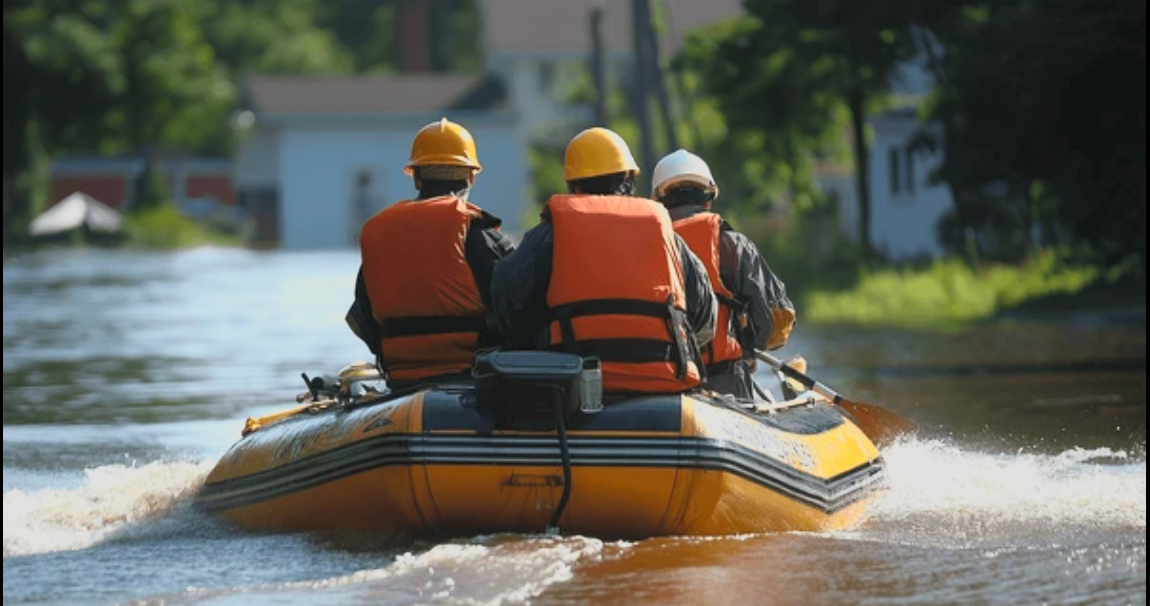
Community and Connection In meetings, we sit shoulder to shoulder with strangers bound by shared suffering and mutual care. The same is true in the wake of tragedy. Volunteers ferry stranded families to dry ground. Neighbors open their homes, cook meals, offer comfort. What saves us is never isolation; it’s connection. It always has been.
Inventory and Action Step Four asks us to take a searching and fearless moral inventory. After disaster strikes, the inventory is literal: What’s gone? What remains? What can be salvaged? What needs to be let go? Recovery teaches us that honest inventory isn’t about blame, it’s about clarity, so we can move forward with wisdom and purpose.
Spiritual Anchoring In times of catastrophe, people return to prayer, meditation, ritual, not necessarily for answers, but for grounding. In recovery, our spiritual lives are not luxuries; they are survival tools. Whether it’s a Higher Power, the wisdom of nature, or simply the heartbeat of the fellowship, something greater than ourselves steadies our trembling hands.
🛠️ Practical Tools for Building Resilience
When the world tilts, through disaster, loss, or even the slow grind of uncertainty, resilience isn’t something we suddenly summon. It’s something we practice. We don’t wait for the crisis to start working the Steps. We build the scaffolding before the storm.
Here are a few tangible ways recovery principles can help us cultivate daily resilience:
📓 Daily Inventory and Journaling Writing helps make sense of chaos. A simple evening practice can bring clarity, restore balance, and reinforce agency. What went well today? Where did I struggle? What amends, if any, are needed? It’s not about perfection; it’s about connection to ourselves.
🙏 Prayer and Meditation Whether whispered in a moment of fear or structured through ritual, prayer can recenter us. Meditation, even in five-minute pockets, can soften emotional overload and create a sliver of calm in the storm. Recovery taught us that connection to something greater is not abstract, it’s sustaining.
🤝 Service to Others One of the most surprising antidotes to fear and despair is service. Call someone who’s struggling. Make a pot of soup and leave it on a neighbor’s porch. Contribute to flood relief even in a small way. Service pulls us out of self-centered fear and into purposeful action.
🌱 Grounding in the Present Moment During disaster, our minds race ahead: What if it gets worse? What if I can’t rebuild? In recovery, we’ve learned to narrow our focus to just for today. A grounding breath, hands in the soil, a mindful walk with the goats—these are acts of resistance against overwhelm.
❤️ Community and Fellowship Reach out. Share honestly. Let others carry part of the load. Whether it’s a sponsor, a meeting, or a phone call with a trusted friend, recovery reminds us we were never meant to do this alone.
🌟 A Call to Compassionate Action
In recovery, we don’t wait until we feel brave to act with courage. We act and the courage follows. The same is true in times of crisis. Whether we’re facing internal storms or literal floodwaters, we are called, not to fix everything, but to show up with open hearts, steady hands, and a willingness to serve.
So today, perhaps the greatest act of resilience is simply this: Take a breath. Reach out. Do the next right thing. Together, we do rebuild—not just homes, but hope.