

Relationship conflicts: Taking the Bait
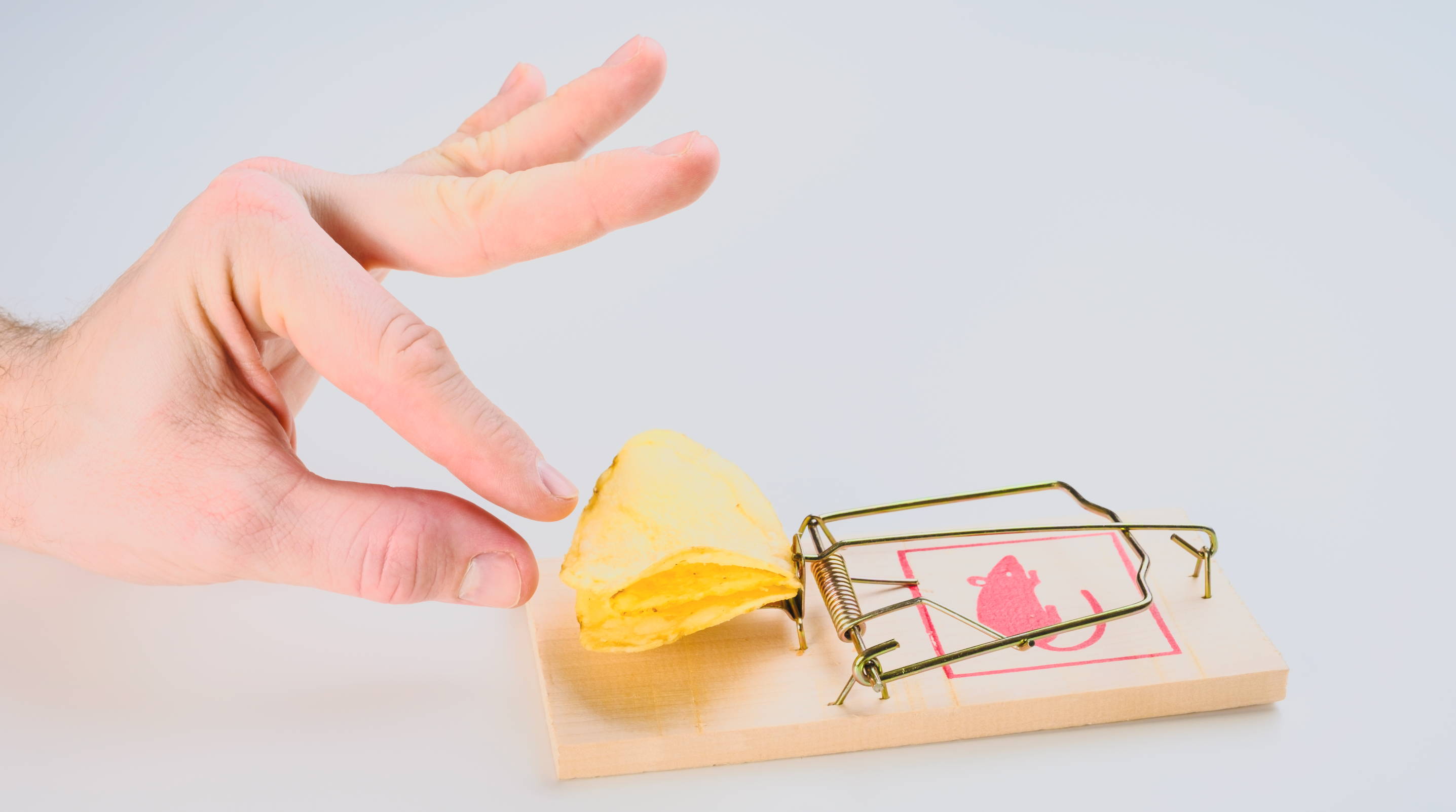
What do relationship experts mean when they use the term, “Taking the Bait?” Think about a fish hooked on a fishing line without the ability to unhook themselves. This is what happens when we get hooked in a conversation. We want to defend ourselves or double down on our point of view. We can also get triggered immediately into codependent traits such as urgently feeling the need to fix, change and save someone or just get them to understand! We end up like the fish, flailing about wondering how we got into this situation.
Do you have people in your life who can activate you like no other humans? Part of recovering from codependency is identifying who these folks are and how we can get beyond our activation and improve our communication skills. We want to stop relentlessly riding an emotional rollercoaster based on other people’s behavior. The three people over the years who could “drive me crazy,” were my dad, my ex and my son. Kids, parents and ex’s are fertile ground for this reactivity.
One of the biggest practices in codependency recovery is learning how to “not go to every fight you’re invited to.” There are particular people in our lives who know what buttons to push and our jobs are to do what I call “the Columbo.” Do some of you know the old show Columbo with the detective who appeared to be slow, dumb and clueless but behind that extra large raincoat, messy hair and sneaky smile he was figuring it all out. A suspect would throw out bait angrily and defensively, “How could you blame me for that?” And he would calmly say something in response like..”Oh, forgive me, I don’t think you’re guilty, I’m just trying to get clarification, I need your help.” He remained calm and never reacted to what the bad guys were dishing out. He calmly paused, took a breath and responded.
We have loved ones who are keenly aware of throwing the firecracker which lands on our heads leading to an explosive reaction and there are others who have no idea that they are upsetting us. A known baiter is someone who knows exactly what to say to get a particular response. ( My 22 year old son) They may do this behavior to transfer blame, take the focus off of themselves, continue participating in an addiction, to ameliorate guilt and/or just be committed to a familiar way of relating. They are experts at displacing feelings and responsibility.
Then there are people who have no idea what they are saying or doing and wonder why people get upset with them. There can be a variety of reasons for these personalities. They may be people with substance abuse issues, victims, chronically angry people, people in constant crisis, people who never change, people who are addicted to chaos, people addicted to problems and suffering, passive aggressive people, help-rejectors, people who think they know everything and many more. The bottom line is no matter how these people behave, we are still responsible for our own reactions, happiness and choices.
One common clue that you are receiving bait is that in your head a voice may say, “Are you fking kidding me right now?” This happened to me when I was engaged and my fiance said to me, “I’m wondering if I should go to Sweden for a week, I may have some unfinished business with a woman there.” What did he just say? Are we not engaged? Sweden where they take nude hot tubs? He had to communicate this now?! The other clue we are hooked or activated by this relational dynamic is we have an intense bodily response where we feel compelled to take immediate action! For example, a good friend calling me and asking me questions about his depression when I have spent the last ten years trying to “help” him with giving numerous suggestions over the years. The fact is he has never taken any of them.
We want to heal from our own bait activation so we don’t engage, reinforce or continue this relational insanity. We need tools to detach from engaging in this type of conversation leading to escalation and unhappiness for both parties.
Questions to ask yourself:
What does this interaction remind me of from childhood?
Why am I so invested in changing this person-what am I afraid to lose?
What old wound am I Really responding to which is inside of me and has nothing to do with them?
What do I need to do to unhook myself and exit this interaction?
Tools:
When someone says something that now has activated you, stop, pause and notice what is happening in your body. Remember you are just having intense bodily sensations.
Breathe
Notice the story your mind is making up about this interaction
Remember-what is coming out of the other person’s mouth is Not About
You It is coming from their history, their psychology, their wounds, their unresolved issues
Remind yourself that they have no other way to communicate and you can only be responsible for your responses. If you can’t say something calmly back, these are some suggestions on what to say:
“I need some time to think, I’ll get back to you” “I’m having negative feelings right now, so I’m going to take a time out to process” or Just Don’t say anything
Know what you want and deserve. Look at the facts of the situation.
For example: My friend just wants to call and vent about how he feels, he really doesn’t want any help with his depression. This means I need to notice my grief and frustration around my friend’s issue. Period.
When you get more skillful at communicating and not reacting, your life will be more peaceful, joyful and calm. It requires practice and a deep dive into your own history of communication but it will lead you to freedom from relationship insanity.
Check out Sarah’s book Co-Crazy for more Deep Dives.
Dr Sarah Michaud is a clinical psychologist who has worked in the field of addiction for over thirty years. She also has over 40 years of sobriety from alcohol and cocaine. She brings her humor, directness, and experience with both addiction and relationship recovery to her work. She is the author of the book Co-Crazy: One Psychologist’s recovery from Codependency and Addiction and she Co-hosts the You Tube Channel Leaving Crazytown with her best bud Finn, a sober attorney with the same sense of humor.