


The Myth of the Clean Slate: Why Recovery Isn’t About Erasing the Past

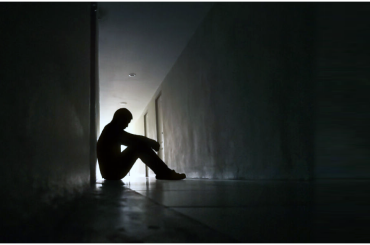
We hear it all the time: “Start fresh.” “Wipe the slate clean.” “Leave the past behind.” It’s a comforting idea, especially when the past feels heavy. But in recovery, the clean slate isn’t always the goal, and it’s rarely the truth.
Tabula Rasa, the Allure of the Blank Slate
“Owning our story and loving ourselves through that process is the bravest thing that we’ll ever do.” Brené Brown (researcher, storyteller, and sober advocate)
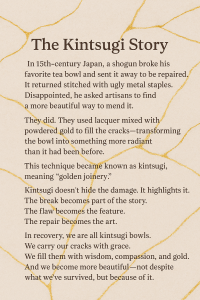
There’s something seductive about the idea of starting over. A blank slate promises freedom from the past, no baggage, no scars, no history to explain. In early recovery, this fantasy can feel like oxygen: the hope that we can scrub away the damage and emerge untouched. No matter how we wish it though real healing doesn’t come from erasure it comes from integration. Your past doesn’t vanish, it becomes part of the architecture. Like gold in a kintsugi seam, our cracks don’t disappear; they shine. Forgetting your past isn’t the goal here, healing through Recovery invites us to integrate who we were into who we’re becoming.
The Work of Remembering
Before we can integrate the past, we have to face it and that’s not always gentle work. Acknowledging our personal history means sitting with the moments we’d rather skip, the ones that sting, confuse, or shame us. It means letting go of the fantasy that we were supposed to be perfect, or that healing requires spotless chronology. Following the 12 Steps can be a life-changing guide to this necessary work.
This isn’t about wallowing. It’s about witnessing. Naming what happened. Claiming what we felt. Tracing how those experiences shaped us without letting them define us. The goal is to become archivists of our own lives, not simply to curate a highlight reel, but to gather the whole mosaic. To say: This is mine. All of it. And I’m still worthy.
It’s slow work, sometimes quiet, sometimes messy and every step requires our bravery. But the only way the gold gets poured is into cracks we’ve dared to name.
The Scars We Carry
“The solution to addiction is connection. Recovery is not about denying the past—it’s about finding meaning in it.” Russell Brand (actor, author, recovery advocate)
The scars we carry, be they emotional, relational, even physical, aren’t signs of failure. They’re evidence of survival. They’re the punctuation marks in our story. Our stories don’t need to be rewritten to be meaningful. They need to be witnessed.
When we try to erase the past, we risk erasing the wisdom it gave us. The lessons. The grit. The moments we clawed our way back to ourselves. Recovery honors those moments. It says: You don’t have to be spotless to be whole.
But witnessing our scars isn’t a solo act. It’s relational. Sometimes we need others to help us see the beauty in what we’ve survived. To say, I see that mark, and I still see you. In recovery, connection becomes the mirror that reframes our damage as depth. We begin to understand that scars aren’t just reminders of pain, they are also proof of healing. They show where the wound closed, the story continued and where we chose to stay.
Like kintsugi, the repair becomes part of the art. Not hidden. Not ashamed. Highlighted, because it’s where the gold is.
The Rhythm of Integration
“Little by little I found the beat again, and after that I found the joy again.” Steven King (author, in long-term recovery)
Instead of chasing a clean slate, maybe we chase a woven one. One that threads our past into our present with intention. One that says: “I’ve been there. I’ve felt that. And I’m still here.” Every scar you carry is a story worth telling, not a shame to be hidden.
We heal by rejoining. By letting the gold seep into the cracks, not to disguise them, but to honor them. Recovery is not a blank canvas, it’s the tapestry of your whole experience. Threaded with memory, stitched with grace, and shimmering with the gold of what we’ve survived, to inspire, encourage and offer real hope to the others around us who are still struggling and reaching for their own integration.