

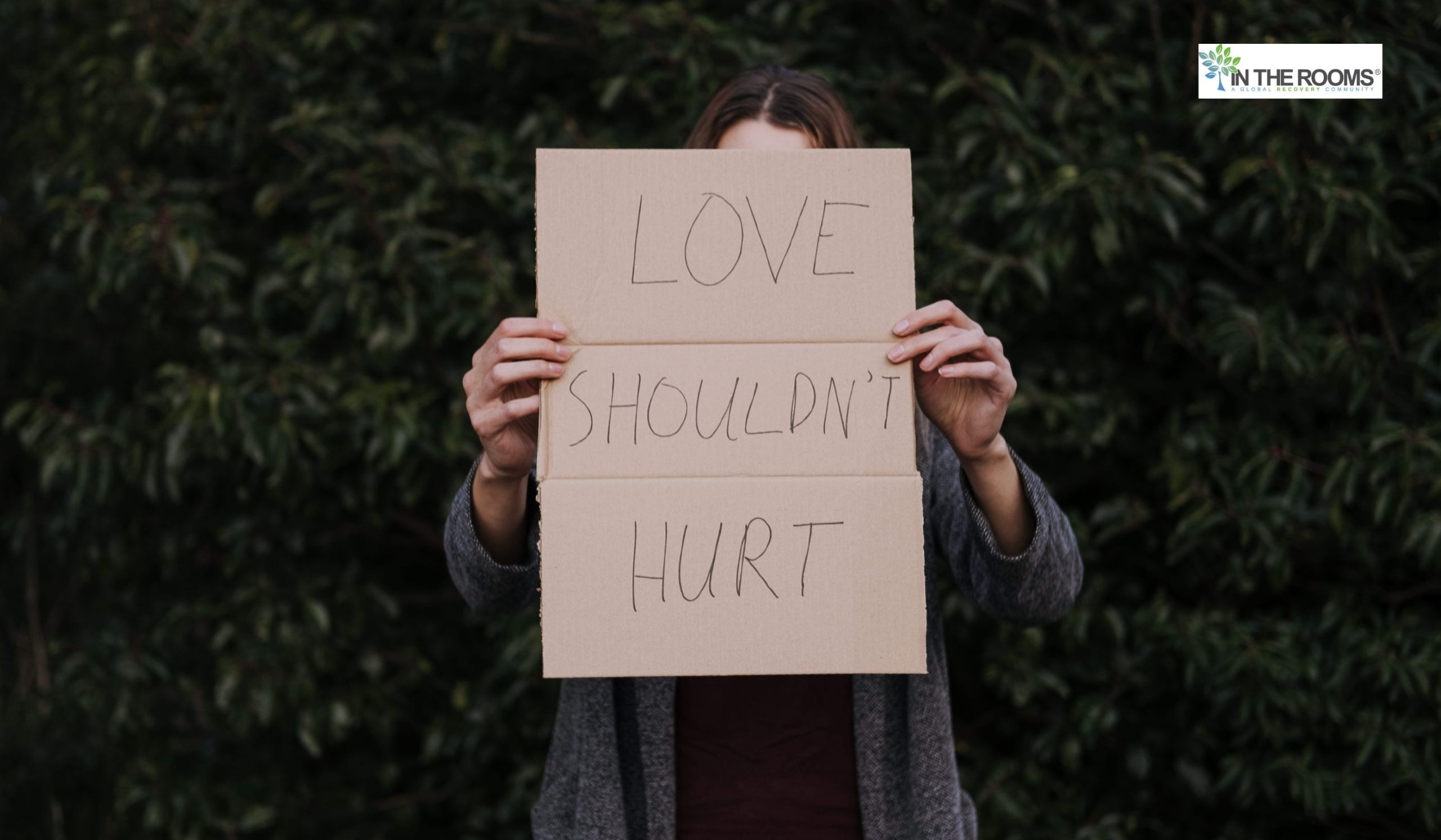
I survived years of emotional manipulation and gaslighting. In the beginning, I believed their version of reality over mine. I questioned myself constantly. Slowly, I lost my voice—my boundaries, my self-trust.
On a sleepless night, I came across Sober but Single on Intherooms.com, an article about relationships and recovery. Even though it wasn’t exactly my experience, it nudged me to ask: where in my life have I consented to harm? It led me deeper into the ITR blog archives, to reading stories of emotional recovery.
I was present in several meetings themed boundaries and trauma. I was noting my own truths in my journal, pointing out the manipulation, making use of the memories again, and re-establishing my location. Whenever I would push my boundaries by speaking up—“No,” “This is not right,” “I believe in me”—I would take back a part of my voice.
Recovery is not a linear process; the path is filled with ups and downs. For instance, there were days when I seemed to move two steps ahead only to slip back by one step. There were certain events that caused me to identify with my previous suffering, or there would be moments of uncertainty that would just reaffirm the once heard lies.
However, the setbacks slowly faded and the steps towards recovery started to get more frequent and noticeable. I acquired some practical skills such as, setting boundaries without being apologetic sorts of things, delivering the tough messages, and leaving the unsafe environments and narcissistic abuse. Eventually, these strategies grew to become the foundation stone of my recovery process; the strategies where the support groups, the regular exercising, the occasional-public-speaking and beautiful tiny self-care gestures that kept me sane.
I have a huge gratitude to those people who were around me. That is, friends who were ready to listen and give no judgment, mentors who were good examples for setting boundaries, and sponsors who did really help me in my addiction and made me more accountable to myself. This helped me a lot in learning and getting into my true self.
They were the ones who were with me all the time and through that I became aware that I can still be me and still be heard. There were moments that I didn’t know but a gentle voice would remind me of what I wrote in my journal. The feeling of isolation was also removed when I received a message, a phone call, or being asked to a meeting. All of these happened simultaneously, and I felt that I was not going to survive alone.
Being in recovery, I even became more resilient and gradually I become a person who celebrates my progress each day congratulations.
If you are someone who is healing from narcissistic abuse, then keep this in mind: you should not underestimate your opinions. It’s up to you to take back your power, bit by bit. The insult is not the truth of your identity. Spend time only with those whose opinion is that you worth a lot, even if you are just starting to respect yourself a little bit and allow yourself to be just human, and be ready for the recovery process taking time.
These delicate, persistent supports are going to help you grow stronger—not through erasure of the past, but as a lesson of the present moment that you are moving more and more in the direction of fullness of your being.
Editor’s Note: If you’re looking for more support, inspiration, or stories that speak to your recovery experience, we invite you to explore our Blogs & Articles section. Stay connected with the In The Rooms community on Instagram, Facebook, Pinterest, and twitter for daily encouragement, real voices, and reminders that healing happens one moment at a time.