


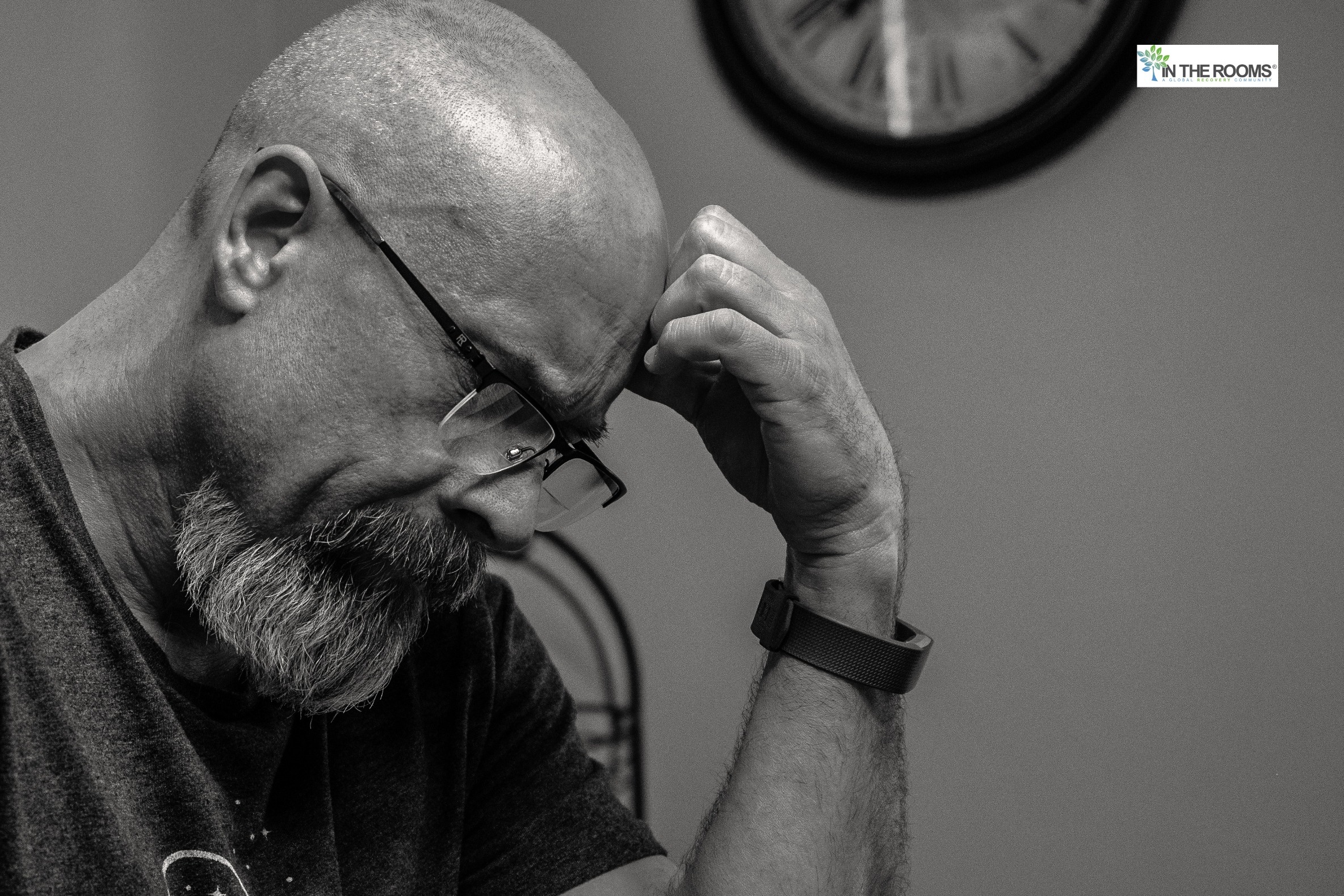

Recovery has been a beautiful journey for me, but I won’t pretend it’s been easy. Then, my biggest struggle has not been just to stay off substances — it has been dealing with all that goes on inside my head. I have always struggled with overthinking, and the feeling so overwhelmingly comes when I do not control it.
When I chose to get sober, I was met with feelings and thoughts that I had spent years consciously trying to numb. Things that had once felt somewhat manageable when I was using had suddenly become too heavy and convoluted. Into this mental fog would enter overthinking, in the form of replaying mistakes made in the past, fears about the future, and doubts about whether I was truly making any progress. It was energy-draining looping that kept me questioning myself.
This sort of overthinking is exhausting. Back then, I realized that many in recovery go through it too, which helped me feel less alone. Conversely, when I lose it, I know how dangerous overthinking can be. It has for me:
- Increased my stress and anxiety
- Triggered waves of guilt and self-doubt
- Fuelled negative self-talk
- And actually, made my cravings tougher to manage.
That was when I finally understood that overthinking wasn’t just a harmless habit but was quietly threatening the progress that I had fought so hard to earn.
I had to learn how to go about dealing with it, and although I am not perfect, I find this to be another thing that truly works for me:
Mindfulness
Being grounded in the present is extremely powerful. Sometimes that could mean a few deep breaths or a short meditation. That has been great. Even joining meetings on In The Rooms has given me tools for mindfulness and mental health.
Journaling
Whenever my mind feels cluttered, I put pen to paper. The act of putting my thoughts down really helps me make sense of them, rather than letting them spin endlessly in my head.
Peer Support
It has been a great relief for me to express my overthinking in support groups. Hearing others open up about their struggles gives me a feeling of connection.
Professional Help
Working with a therapist has really added some real coping techniques to my arsenal of skills, and has helped me recognize my patterns before they get out of control.
Overthinking is still part of my recovery, but I don’t see it as a roadblock anymore. I’m learning to catch it, manage it, and move forward. Recovery for me is not the state of being perfect but of progress. And every time I choose to be present, to reach out for support, or take another step forward, I am reminded that I am moving in the right direction. One thought, one day, one step at a time.
One personal trick I always use: Whenever I found myself overthinking, I would say, “Cancel, cancel, cancel,” three times and then switch to something positive.
Editor’s Note: If you’re looking for more support, inspiration, or stories that speak to your recovery experience, we invite you to explore our Blogs & Articles section. Stay connected with the In The Rooms community on Instagram, Facebook, Pinterest, and twitter for daily encouragement, real voices, and reminders that healing happens one moment at a time.