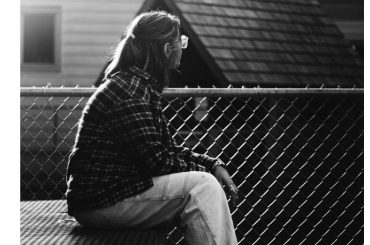




There was one profound moment in my recovery, one that turned everything on its head. It was the day when I sought help for the very first time. I could still feel it: my throat tightening, my hands trembling, with my pride urging me to cease my speaking out. Yet there was a whispering voice inside of me that said, “You will never get anywhere holding on to this alone.” And I listened.
I have always been the tough one. The independent one. The person who silently found ways out. Asking for help was like admitting that I failed. It meant acknowledging my weakness, which was a shameful failure, as the light-minded considered part of my life.
In truth, I was not in control.
My life was a series of pretending, dreading, and exhaustion. Tired of pretending. Tired of hiding. Tired of hoping things would somehow heal on their own. Then I took a very bold small step, which was asking for help.
No big declarations, no right words. Just a simple “I need help.” And the heavy world didn’t come crashing down on me like I thought it would; instead, the earth opened up.
The individual I reached out to did not judge me. They did not tell me what to do. They did not turn away. They just listened. They offered sympathy. They offered support. They offered ways to move on.
The lesson is forever in my mind:
Asking for help is not a weakness; it is an act of courage.
In that moment, I got it-I didn’t always have to carry it all by myself and could, in fact, rest a minute. I didn’t have to be perfect, and I didn’t have to pretend to have an answer. I could just be a person. I could be open, humble, and truthful.
It brought me to a breakthrough, where so many people wanted to be supportive but had had no idea where or how to start reaching out. By not parting from my being obsessed with looking competent before them had rendered me deaf to any sound where I may have sought their help.
Recovery has taught me that help doesn’t always come in the form of solutions; sometimes it comes in the form of presence. Sometimes it comes in the form of a room full of strangers who walk in and leave feeling like family. Sometimes it comes from a simple text message. Sometimes it comes with taking a deep breath and summoning the energy to try again the next day.
Each time I’ve asked for help since then, my load has gotten lighter. Not easier, just lighter-at least somebody else has a share in it.
Today, I ask for help when I need it. Even when it feels weird. Even when my pride tries to stop me. But every time it happens, I’m reminded that recovery isn’t a solo journey.
It’s a shared one.
The moment I reached out for help was the moment recovery began. It was the moment I finally gave myself permission to receive, trust, and release.
Honestly, I can say one thing with every conviction:
I wasn’t rendered weak by asking for help.
It saved my life.
[We are Purpose-Driven: How Recovery Helps Us Discover Our Reasons. Learn more]
Editor’s Note: If you’re looking for more support, inspiration, or stories that speak to your recovery experience, we invite you to explore our Blogs & Articles section. Stay connected with the In The Rooms community on Instagram, Facebook, Pinterest, and twitter for daily encouragement, real voices, and reminders that healing happens one moment at a time.
We share real recovery stories while protecting the privacy of those who trust us with their experiences. Many personal details are adjusted or rewritten for clarity and to honor everyone’s voice, ensuring their truth is shared with care and respect.