

Untangling from Toxic Relationships
As a narcissistic abuse victim, I realized that healing through addiction is only a part of recovery. Another part of this journey includes disentangling myself from a few toxic relationships that once left me feeling drained, confused, and doubting my own value.
Narcissistic partners, family members, and even friends for a long time used to bring into play my sensitivity and compassion on them; I used to feel that I was responsible for their moods or even for their happiness.
Recovery has shown me that these were not my shortcomings; rather, they were manifestations of the trauma I have been carrying around. And true recovery would mean learning how to guard my heart while still honoring the deep empathy that is so central to my being.
Discovering My Sensitivity
In recovery I discovered one more detail—the fact that I am highly sensitive to others’ emotions. Some people call this being an empath: feeling the joys, struggles, and sometimes even the pain of those around me almost as though it were my own. This sensitivity has always been both a curse and a blessing.
On one side, it assists me in making deep connections, showing compassion, and truly appreciating others in ways that seem to fill my soul.
The Dark Side of Being an Empath
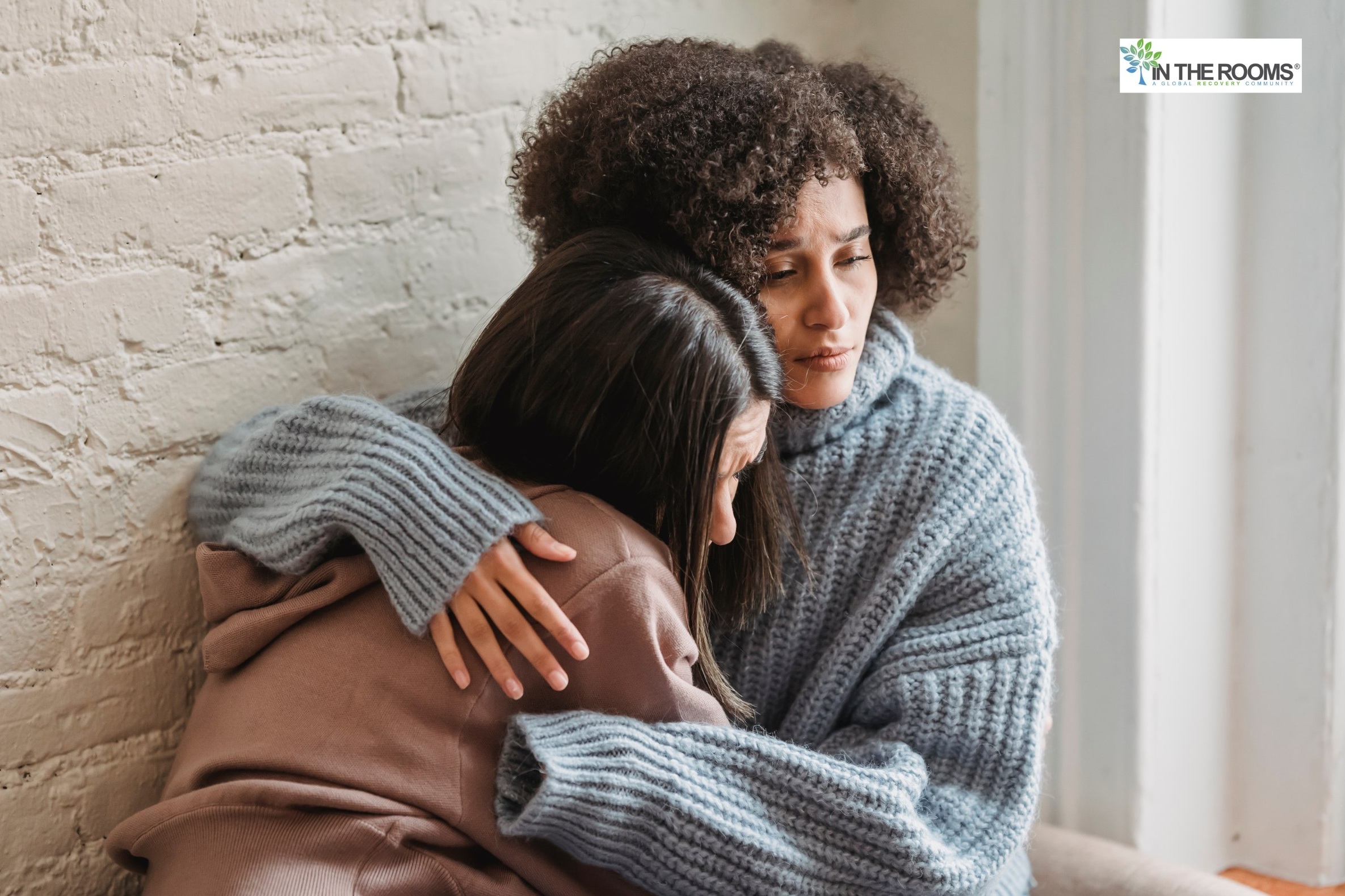
However, I have also come to see the other side of the empath. The very loving openness I exuded often attracted many people who did not have my interests at heart. Narcissists and manipulators—sometimes what I call “emotional vampires”—took my kindness to their advantage. They drained me of energy, exploited my giving nature in their own interest, and left me to believe that it was my responsibility to fix their situations.
In recovery, I had to confront just how dangerous that reality was for me because losing myself in all kinds of unhealthy relationships could so easily drag me down into the same old patterns.
Why Exploiters Are Drawn to Me
I’ve also realized why exploiters target me and others like me. Exploiters see my compassion, patience, and willingness to listen as impossible to resist. Without boundaries, I gave endlessly and received almost nothing in return. What felt like gradual erosion left me feeling depleted, resentful, and doubting my own worth.
Learning to Protect Myself
The great news is that being an empath doesn’t mean I am fated to fall into these patterns again. Through recovery, I have found tools and support to guard my emotional well-being. Among the most important lessons I’ve learned is the setting of boundaries. I don’t feel guilty anymore for saying no. I view saying no as an act of self-respect. I give from a place of wholeness and strength instead of weakness and depletion.
Committing to Self-Care
Self-care has also become big. Just as I put a great deal of commitment into going to meetings and working my program, I’ve learned to put an equal amount of commitment into filling up my well through meditation, journaling, prayer, time spent in nature with like-minded people, or just simply spending time with others who foster my growth.
Being with healthy, reciprocal relationships reminds me that real love never drains an individual of their energy or sense of self.
Living as an Empowered Empath
I view my sensitivity differently now; it has become my gift. Recovery has taught me it is not about carrying the pain of the world to be compassionate and an empath. I can still show up with love and understanding while honoring my own needs. When I set boundaries and practice self-care, I protect my inner light. In doing so, I let this light glow brighter, which guides me and sometimes others down the road to healing.
Editor’s Note: If you’re looking for more support, inspiration, or stories that speak to your recovery experience, we invite you to explore our Blogs & Articles section. Stay connected with the In The Rooms community on Instagram, Facebook, Pinterest, and twitter for daily encouragement, real voices, and reminders that healing happens one moment at a time.